
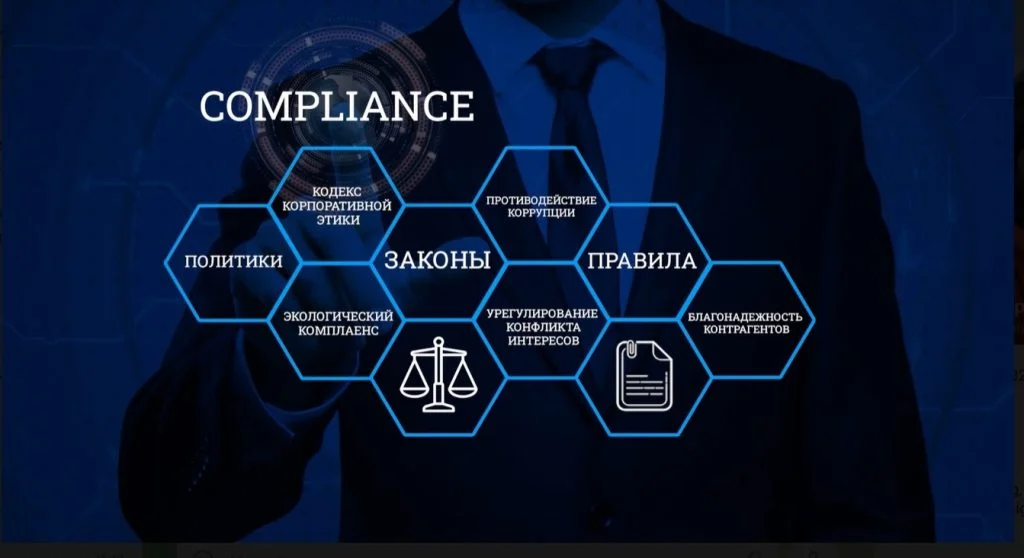

Fintech Compliance: My Experience with Regulations
When I started working in fintech, the first thing I needed to figure out was: which requirements apply to us? It turned out there were quite a few regulations, and each required its own approach.
I’ll share the regulatory requirements I worked with and how I built a compliance system. This is personal experience, not an official guide.
Where I Started
The company already had some security foundations, but fragmented: something implemented here, something covered there. There was no systematic approach.
First, I compiled a list of all applicable requirements. That’s where things got interesting.
Bank of Russia Regulations
The Bank of Russia is the main regulator for financial organizations. The requirements are serious, but once you understand them — they’re logical.
Regulation No. 683-P
The key regulation on information protection in banking. The goal is to prevent unauthorized money transfers.
Main requirements:
- Information protection system
- Access control to banking systems
- Monitoring and incident response
- Regular audits and checks
The requirements are detailed, but in practice each measure finds its application.
Regulation No. 787-P
Requirements for information protection in the Central Bank’s payment system. Focus on protecting payment data and process continuity.
Regulation No. 821-P
Procedure for information protection in money transfers. Detailed protection at each stage of payment processing.
When implementing, I had to work closely with developers — many requirements are built into the architecture.
STO BR BFBO-1.8-2024
Standard on security for remote identification and authentication. Relevant for online banking and remote services.
Emphasis on protection against fraud in customer identification.
STO BR IBS
Comprehensive standard on information security of banking systems:
- Security risk management
- Information protection at all levels
- Incident management
- Secure development
This is a whole system, not just a set of requirements. You need to build processes, configure monitoring, train people.
GOST R 57580.1-2017: Basic Protection Measures
The standard “Financial Operations Security. Information Protection of Financial Organizations” defines the basic set of organizational and technical measures.
Protection Levels
The standard defines several protection levels with different requirements. You need to determine the applicable level for your company.
This requires analyzing: data volume, system criticality, risks. It’s not quick, but you can’t move forward without this analysis.
Organizational and Technical Measures
The standard describes a system of interconnected requirements.
Organizational measures:
- Assigning responsible persons
- Policies and procedures
- Staff training
- Control and monitoring
Technical measures:
- Information protection tools
- Access control
- Monitoring
- Backup
Important: measures must work together. You can’t implement only technical or only organizational measures.
Choosing Protection Measures
You don’t need to implement everything at once. First assess risks, then choose adequate measures. This avoids excessive investment while maintaining the necessary protection level.
Implementation Completeness
Measures must be fully implemented. Formally creating a policy doesn’t mean you’re protected. Better to do less, but well.
Protection at All Lifecycle Stages
The standard requires protection at all stages: from design to decommissioning.
This means close work with development: implementing secure development practices, code analysis, security testing.
One of the hardest areas — developers are used to focusing on functionality. But gradually security becomes part of the culture.
PCI DSS: Working with Cards
International standard for those who process payment cards. Requirements are strict but logical:
- Perimeter protection — firewalls, network segmentation
- Data protection — encryption, storage limits
- Access management — strict access control
- Monitoring — tracking actions with card data
- Testing — regular vulnerability assessments
- Policies — documenting processes
The hardest part — limiting data storage. You can’t store full card numbers and CVV longer than necessary. I had to rework part of the system.
But when everything works — you feel calmer. Data is protected, monitoring is configured, the system is resilient.
152-FZ: Personal Data
The personal data law applies to everyone who processes it. Especially important in fintech — we work with customers’ financial data.
Main requirements:
- Consent for processing
- Security assurance
- Regulator notification
- Data subject rights
The requirements are basic, but need to be implemented properly. It’s important to actually protect data, not just formally.
How I Built the Compliance System
After understanding the requirements, I started practical work. I didn’t try to cover everything at once — I made a plan.
Stage 1: Audit
Conducted an audit of the current state: what exists, what works, what’s only on paper. This took a month.
Turned out some requirements were met, but not systematically. Measures for one requirement weren’t used for another. Unification was needed.
Stage 2: Prioritization
Defined priorities:
- Critical — can lead to business suspension or fines
- High — affect reputation and customer trust
- Medium and low — on a residual basis
Stage 3: Implementation
Started implementing gradually. First basic measures that cover multiple requirements. Then specific ones.
Important: don’t do it “for the checkbox.” Each measure must actually work.
Stage 4: Training
Most important — training employees. Without understanding “why,” the system doesn’t work.
Conducted training for different groups: developers, operators, management. Each with its own approach.
Result
After six months there was a compliance system that actually worked. Not perfect, but functional:
- Critical requirements covered
- Processes configured
- People understand what and why they’re doing
The main thing — the system isn’t formal. Each measure has practical application. The result is visible: incidents decreased, audits pass successfully.
Key Takeaways
Don’t fear regulations
Requirements seem complex, but they’re logical. Each solves a specific problem.
Systematic approach is critical
You can’t cover requirements individually. One measure can cover multiple requirements.
Practice over theory
You can write lots of documents, but if they don’t work — it’s useless. Better less, but quality.
Communication matters
Explain to people “why.” When they understand the goal — they perform better.
Compliance is a process
Not a one-time event. Need to constantly monitor, improve, adapt.
Conclusion
Regulations are constantly updated — need to track changes and adapt the system.
If you’re starting to work with fintech compliance: study the requirements, conduct an audit, define priorities. Move gradually.
In the next article I’ll share practical cases of implementing security standards.